
Sexting on Snapchat means sending or receiving sexual messages, photos, or videos in the app. For teens, the safest response is not secret surveillance or an immediate accusation: look for a pattern, start a calm conversation, review Snapchat safety settings together, and act quickly if there is pressure, blackmail, an adult contact, or an intimate image involving a minor.
This guide explains why disappearing Snaps are not risk-free, which warning signs deserve attention, and what parents can do without treating ordinary privacy as proof of sexting.
01. What Is Sexting on Snapchat?
Snapchat sexting refers to sending or receiving sexually explicit messages, photos, or videos through Snapchat. Among teens, it may begin as flirting, curiosity, peer pressure, grooming, or a request from someone pretending to be a peer.
The decisive risk is loss of control. Even when a Snap is set to disappear, another person may save the content, capture it with another device, or use it to pressure the sender. A disappearing message should never be treated as a guarantee that an intimate image is gone.
Important distinction
Consensual communication between adults and sexual content involving a minor are not the same safety issue. If an adult solicits sexual content from a minor, or someone threatens to share a minor's image, prioritize the child's immediate safety and report the conduct rather than investigating alone.
02. Why Can Disappearing Snaps Still Be Risky?
Snapchat is not designed specifically for sexting, but some features can create a false sense of privacy. Content may disappear from the chat view by default, yet deletion from the interface does not prevent saving, coercion, account compromise, or offline capture.
- Disappearing messages: reduced visible history can make risky exchanges harder for a parent or teen to revisit.
- Screenshot alerts: an alert may reveal that a screenshot was taken, but it cannot stop a second phone, camera, or other capture method.
- My Eyes Only: this passcode-protected area stores selected Snaps separately inside Memories; it is a privacy feature, not evidence of misconduct.
- Private conversations: pressure can escalate quickly when a teen believes an exchange will remain between two people.
- Ongoing contact: frequent interaction can make it harder for a teen to step away from requests or threats.

The practical rule is simple: never send an intimate image on the assumption that a timer, screenshot notification, or private folder makes it impossible to copy.
03. What Are the Signs of Snapchat Sexting?
No single behavior proves that a teen is sexting on Snapchat. Look for several changes that appear together, especially when they involve fear, pressure, an unknown contact, requests for money, or a sudden effort to avoid a particular person.
- Becoming unusually anxious after a notification or contact request
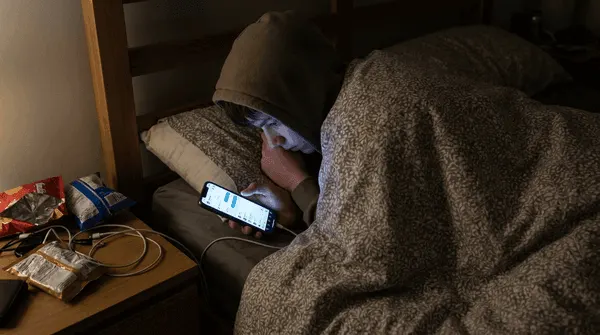
- Using Snapchat late at night and appearing distressed afterward
- Receiving repeated messages from an unknown or much older contact
- Talking about pressure to send a photo, keep a secret, pay money, or send more content
- Deleting an account, changing usernames, or blocking someone after a frightening exchange
- Withdrawing from friends, school, or family after online activity

Phone privacy, mood changes, or use of My Eyes Only can have harmless explanations. Treat warning signs as a reason to ask open questions, not as evidence that justifies a confrontation. For a broader review of age settings, contacts, content exposure, and location sharing, see is Snapchat safe for kids?
04. What Risks Should Parents Take Seriously?
The most urgent Snapchat sexting risks are coercion, sexual extortion, grooming, non-consensual sharing, and the emotional impact of feeling trapped. These risks can begin with a voluntary image and change when another person demands more images, money, or continued contact.
- Loss of control: a recipient may save or redistribute an intimate image.
- Sextortion: someone may threaten to share content unless the teen pays or complies with another demand.
- Grooming or impersonation: an adult or scammer may pretend to be a peer and build trust before making sexual requests.
- Emotional harm: fear, shame, isolation, and panic may stop a teen from asking for help.
- Safety or legal consequences: laws vary by location, and sexual imagery involving a minor requires careful handling. Do not forward or make extra copies of the image.
If a teen is being threatened, do not blame them and do not pay or meet the offender. Preserve non-explicit evidence such as the username, threats, dates, and report confirmation when it is safe to do so, then use Snapchat's reporting tools and contact the appropriate local authority or child-safety service.
05. What Should a Parent Do Next?
A calm response makes it more likely that a teen will share enough information for an adult to help. The goal is to stop contact, reduce further distribution, and connect the child with support—not to force a confession. If the concern is exposure to sexual or other age-inappropriate material rather than a direct threat, follow a conversation-first plan for what to do when a child watches inappropriate content.
- Check immediate safety. Ask whether anyone is threatening them, knows their location, is demanding money, or wants to meet in person. Contact emergency services if there is an immediate danger.
- Listen without blame. Say clearly that asking for help was the right choice and that the person making threats is responsible for the abuse.
- Stop engagement. Do not pay, send more content, or negotiate. Block the account after preserving the username and non-explicit threat evidence needed for a report.
- Report the account and content. Use Snapchat's in-app reporting or its online reporting route. Serious threats may also need a report to local law enforcement or a national child-protection hotline.
- Limit further sharing. If the image was taken when the person was under 18, NCMEC's free Take It Down service can create a hash on the person's device to help participating public or unencrypted platforms detect copies without uploading the image.
- Plan follow-up support. Revisit privacy settings, trusted contacts, sleep and school impact, and professional mental-health support when distress continues.
Do not redistribute the image
Parents should not ask a teen to forward an explicit image for proof or send it to another adult. Record account details and threats instead, and follow the instructions of the reporting service or law-enforcement agency handling the case.
06. How Can Parents Use Safety Tools Responsibly?
Start with Snapchat Family Center. Snapchat says Family Center can show parents who their teen is friends with and how often they communicate, allow confidential account reports, and show selected privacy and safety settings. It does not reveal the content of the teen's conversations, so it works best alongside regular family discussions.
For a parent-managed Android device, VigilKids can add device-level context after setup with required permissions. The current product page lists Snapchat monitoring, app management, screen activity insights, screenshots, and keyword alerts. These tools may help identify patterns, but they cannot determine consent, intent, or whether sexting occurred; a family conversation and appropriate reporting remain essential.

VigilKids for Phone Monitoring
- Review Snapchat and broader screen-activity signals from a parent dashboard
- Requires installation and physical access to the parent-managed Android device
- Best used for safety follow-up with clear family rules and required permissions
Families that only need contact visibility and platform settings should begin with Snapchat Family Center. Consider a broader parental-control tool only when device-level oversight is proportionate to the child's age and risk, lawful where you live, and paired with a clear plan for reducing oversight as safety improves.
07. FAQs About Snapchat Sexting
Can parents see Snapchat messages in Family Center?
No. Snapchat says Family Center can show who a teen communicates with and selected safety information, but it does not reveal the content of private conversations.
Do disappearing Snaps make sexting safe?
No. A recipient can still save, copy, or capture content, including with another device. Disappearing from the chat view does not restore control after an image has been shared.
Is My Eyes Only proof that a teen is hiding sexual content?
No. My Eyes Only is a passcode-protected area for selected Snaps in Memories. Its use alone does not prove sexting; ask about concerning patterns without demanding the passcode as a first response.
What should a teen do if someone threatens to share a nude?
Stop responding, do not pay or send more images, tell a trusted adult, preserve the account name and threat details, and report the offender. If the image was taken under age 18, Take It Down may help limit sharing on participating platforms.
Should a parent ask the teen to forward the image as evidence?
No. Do not create or redistribute another copy of an explicit image involving a minor. Preserve non-explicit details such as usernames and threats, then follow the reporting service's instructions.
08. Conclusion
Sexting on Snapchat becomes an urgent safety issue when a teen faces pressure, threats, an adult contact, or loss of control over an intimate image. Parents should respond with calm questions, platform reporting, appropriate child-safety support, and proportionate safety tools—not assume that secrecy or a private folder proves what happened.
Begin with a conversation and Snapchat Family Center. If the risk is broader than the app, a parent-managed device tool such as VigilKids for Android can provide additional context after lawful setup with required permissions.
Sources
Hot Topics for Snapchat Monitoring
Snapchat Parental Controls: A Parent Guide for 2026
Learn how Snapchat parental controls work, what Family Center can and can’t do, and which settings parents should check to help keep teens safer online.

6 Best Parental Control Apps for Snapchat in 2026
Looking for the best parental control app for Snapchat? Compare the top apps, including VigilKids, Bark, mSpy, Eyezy, Qustodio, and AirDroid.
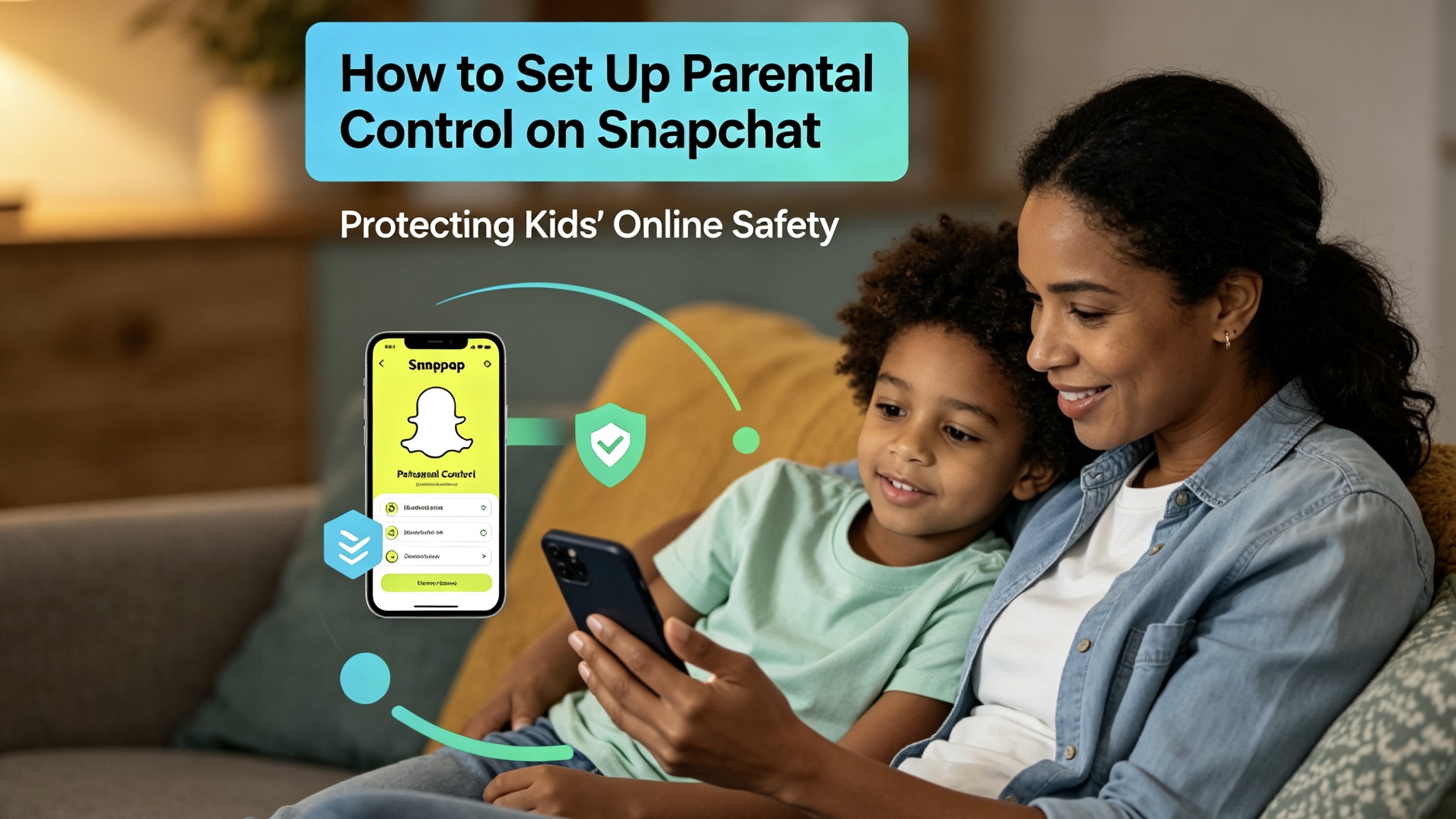
How to Set Up Parental Controls on Snapchat: 4 Safe Methods
Wondering how to set up parental controls on Snapchat? Check this guide to explore 4 easy monitoring way and common safety tips to keep your kids safe online.