

Think your child is finally offline because you took their phone away? You might want to think again.
More and more teens are turning to trap phones—hidden secondary devices they use to stay online without a parent ever noticing. Sometimes it’s an old iPhone pulled from a relative’s drawer, sometimes it’s a prepaid Android bought with pocket money. Whatever the source, these phones operate outside every rule you’ve set and every monitoring tool you rely on.
And that’s the real issue. A trap phone isn’t just a workaround—it’s a blind spot. While parents assume things have calmed down, teens may be chatting with strangers, staying up all night on Snapchat, or sharing risky photos through apps you don’t even know they have.
In this guide, we’ll break down what trap phones are, why teens turn to them, and how tools like VigilKids can help you stay informed—without turning your home into a surveillance zone.
- Table Of Contents
- PART 1. What Are Trap Phones?
- PART 2. What Makes Trap Phones So Dangerous?
- PART 3. Why Teens Turn to Trap Phones (and How They Get Them)
- PART 4. How Teens Hide Trap Phones from Parents
- PART 5. What Parents Often Miss (and Why It's Not Their Fault)
-
PART 6. How to Respond: Emotional Support + Smart Tools Like VigilKids

PART 1. What Are Trap Phones?
Trap phones—also known as secret phones, burner phones, or backup phones—are secondary devices that teens often hide from their parents. These phones may be:
- Old phones passed down from family members
- Second-hand or prepaid phones purchased without a contract
- Devices connected only via public or nearby Wi-Fi
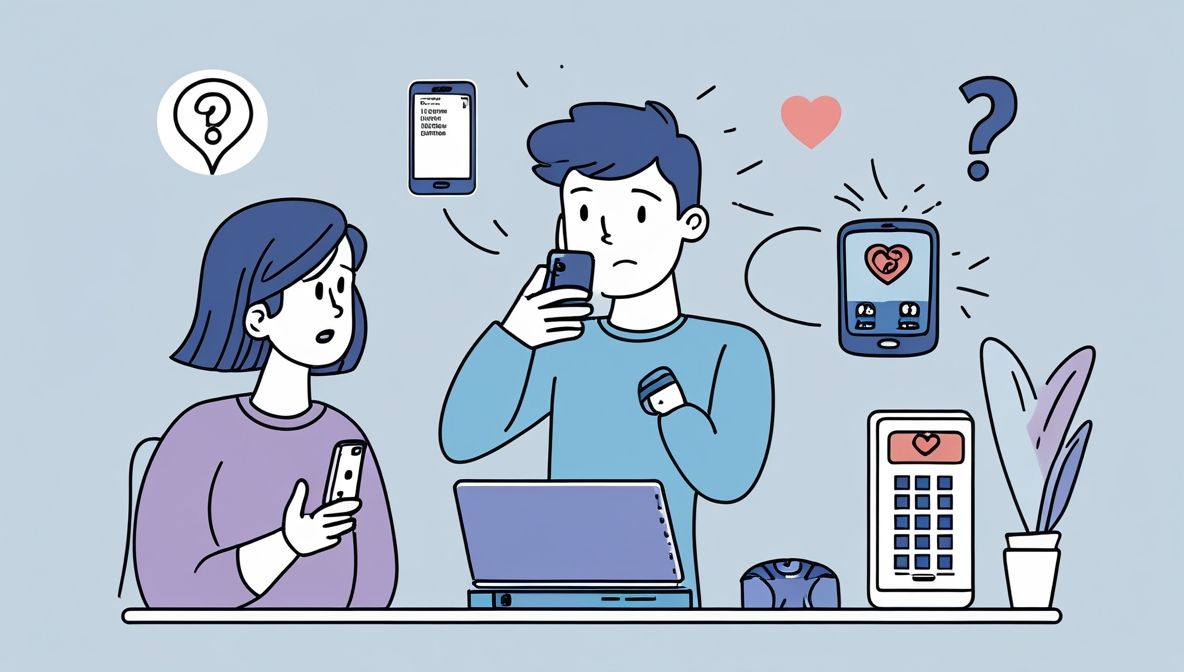
Unlike a main phone, a trap phone is typically used without a SIM card or parental controls, making it nearly invisible to guardians. Teens use them to bypass restrictions, stay online, and continue risky behaviors even after their primary device has been taken away.
User Feedback
"We confiscated her phone, only to find out she was using another one—stolen from her grandparents. When we took that one away, she showed up with a third."
PART 2. What Makes Trap Phones So Dangerous?
A trap phone isn’t just about bending house rules. It creates an environment where serious risks can build quietly—often long before a parent notices something is wrong.
Here’s why these devices are a genuine safety concern:
1. Risky Online Activity
Hidden phones often become the “anything goes” device. Teens use them to stay on Snapchat late at night, join anonymous chat apps, share suggestive or explicit photos, or talk to strangers they meet online. Because parents don’t know these devices exist, the usual safeguards don’t apply.
2. Zero Supervision or Accountability
Trap phones live outside parental controls: no screen time limits, no app restrictions, no activity alerts, and no visibility into contacts or messages. This level of freedom—especially for younger teens—can escalate risky behavior quickly.
3. Real Legal Consequences
A lot of teens don’t understand the severity: exchanging nude photos (even of themselves), saving explicit images of another minor, or forwarding sexual content. All of these can legally fall under producing or distributing child pornography. One mistake can follow them for years.
4. Psychological Red Flags
Secret phone use isn’t always “teen rebellion.” It can signal low self-esteem, attention-seeking behaviors, anxiety or loneliness, boundary-testing, or even trauma or grooming. When a teen is desperate enough to hide a phone, something deeper is usually going on.
User Feedback
“She’s not just lying and stealing—she’s putting herself in danger and doesn’t seem to understand the consequences.”
Trap phones don’t start as a crisis—but left alone long enough, they can become one.
PART 3. Why Teens Turn to Trap Phones (and How They Get Them)
Most teens don’t wake up thinking, “I need a secret phone.” They turn to trap phones when they feel cut off, overcontrolled, or disconnected from their social world. Hidden phones become a fast way to regain control.
Common Motivations
1. To Bypass Parental Controls
When a phone is restricted, monitored, or taken away, the instinctive response is: “I’ll find another way.” Trap phones offer immediate freedom: no restrictions, no app blocks, no monitoring.
2. To Stay Connected to Social Media
Platforms like Snapchat, TikTok, and Instagram are core to teen identity and social validation. Losing access can feel like losing their entire social world overnight.
3. To Maintain Private or Hidden Conversations
Teens use trap phones to talk to older partners, keep relationships secret, avoid parental judgment, or communicate with strangers they met online. These conversations often take place on apps parents would never approve of.
How Teens Actually Get Trap Phones
Most parents imagine teens “can’t” get a phone without them. Reality: it’s extremely easy.
- taking unused phones from relatives (grandparents, cousins, older siblings)
- buying a cheap used device with saved allowance
- purchasing prepaid burners from convenience stores
- swapping devices with friends
- receiving phones or SIM cards from online “friends,” partners, or predators
- connecting via free Wi-Fi at school, cafés, libraries, or neighbor networks
- using no-contract carriers like TracFone or temporary eSIMs
One former teen put it bluntly:
“If a kid wants a phone badly enough, they’ll find a way. All I needed was Wi-Fi and an old iPhone.”
PART 4. How Teens Hide Trap Phones from Parents
Teens today are surprisingly resourceful when it comes to hiding trap phones. Even involved and tech-savvy parents can be fooled, because most hiding strategies are simple, low-tech, and easy to overlook in everyday life.
Where They Hide the Phones:
- Inside dresser drawers, under mattresses, or at the back of closet boxes mixed with clothes or old schoolwork
- In backpacks, sports bags, or locker compartments at school where parents rarely check
- At a friend's house or even outside in a “safe spot” like a garage shelf, under the porch, inside a bush, or in an old mailbox
- In plain sight—using old or bulky phone cases, pencil cases, or makeup bags so the device doesn’t look like an active phone
How They Avoid Detection:
- Connecting only to Wi-Fi, avoiding data plans or new lines that would show up on monthly bills
- Using public or neighbor hotspots like school Wi-Fi, Xfinity networks, or open café Wi-Fi instead of home internet
- Turning phones off at home, or using Do Not Disturb/Airplane Mode so there are no sounds, vibrations, or pop-up notifications
- Regularly clearing browsing history, chat logs, and app notifications to remove traces of conversations or searches
- Switching SIM cards between devices if needed, so one number can be used across multiple phones without drawing attention
User Feedback
"She was Snapchating every night—and we had no idea how. Turns out she was using the neighbor's Wi-Fi and an old phone we thought was recycled."
PART 5. What Parents Often Miss (and Why It's Not Their Fault)
Many parents feel blindsided when they discover their child's trap phone. That shock is completely understandable. Trap phones are designed to stay out of sight, and teens often share tips with each other on how to avoid getting caught.
Common Misunderstandings:
- "I took her phone, so the issue is handled."
In reality, many teens already have a second (or third) device lined up, or know exactly where to get one. - "I changed the Wi-Fi password."
Tech-savvy kids quickly switch to school Wi-Fi, public hotspots, neighbor networks, or shared passwords from friends. - "She's grounded, she can't be online."
Without consistent monitoring across devices, kids can still access social apps, messaging platforms, and browsers with minimal tools. - "We've talked about it. She knows better."
Honest conversations are crucial—but they don’t always override peer pressure, curiosity, or emotional struggles. Sometimes behavior change needs both guidance and smarter tech support.
User Feedback
"Kids think consequences are things that happen to other people."
PART 6. How to Respond: Emotional Support + Smart Tools Like VigilKids
Solving the trap phone problem isn't just about confiscation—it's about rebuilding trust, setting clear boundaries, and quietly keeping enough visibility to step in before something goes seriously wrong.
Healthy Steps for Parents:
- Have calm, repeated conversations about online risks, rather than one explosive confrontation
- Create opportunities for kids to rebuild trust with transparency—such as agreed-upon check-ins or shared expectations around devices
- Encourage healthy offline outlets—sports, volunteering, hobbies, and clubs—to reduce the emotional dependency on their phones
- Watch for red flags: secrecy around devices, sudden mood shifts after being online, unexplained new items, or changes in sleep patterns
At the same time, most parents need more than words alone. That’s where tools like VigilKids can quietly support what you’re already doing as a parent.
Where Tech Like VigilKids Fits In
VigilKids is designed to help you stay informed about your child’s digital life—especially when they switch between devices—without turning your home into a constant battleground.
With VigilKids, you can:
- Monitor WhatsApp and social apps – See who your child is talking to, review messages and media, and spot risky conversations early. Learn more in our guide on how to monitor WhatsApp safely.
- Track text messages and call history – Get visibility into SMS, call logs, and frequent contacts, even if your child starts using a different device. For a deeper dive, see how to track text messages on your child’s phone.
- Watch for suspicious patterns – Use alerts and reports to notice unusual late-night activity, sudden spikes in messaging, or new contacts that may require a conversation.
- Combine monitoring with context – Pair VigilKids with what you already know about your child’s routine, friendships, and behavior to make calmer, better-informed decisions.
VigilKids doesn’t replace parenting—it gives you a clearer view, so you don’t have to guess when something’s off or wait until a crisis forces everything into the open.
Final Thoughts: You're Not Alone in This
If you've discovered your child has a trap phone—or suspect they might—it doesn't mean you've failed as a parent. It means you’re facing a digital challenge that many modern families are dealing with quietly.
What matters most now is how you respond.
- Stay calm, but firm—panic makes kids hide more, not less.
- Prioritize open dialogue over pure punishment, so your child still feels safe coming to you when something goes wrong.
- Balance trust with smart, respectful digital safeguards that give you enough visibility to step in when needed.
And most importantly—you don’t have to do this alone. With tools like VigilKids, plus resources like our articles on WhatsApp monitoring and tracking text messages and calls, you can gradually regain visibility into your child's digital life without constant conflict.